
Cart 0

The world of winemaking offers a vast tapestry of flavors, aromas, and styles, each deeply influenced by terroir, grape varieties, and cellar craftsmanship. Among the most frequent topics discussed by wine enthusiasts is the fundamental difference between traditional (still) wine and sparkling wine. While the most obvious distinction is the presence of bubbles, the true difference lies deep within the science of fermentation, production techniques, and taste profiles.
The Magic of Fermentation
At its core, all wine is produced through the process of alcoholic fermentation, where yeasts convert the natural sugars found in grape juice into alcohol and carbon dioxide (CO₂).
In still wine production, this carbon dioxide gas is allowed to escape into the atmosphere. The result is a smooth beverage without effervescence, focusing purely on the body, tannins, structure, and complex flavor notes of the grape.
Conversely, sparkling wine is crafted specifically to trap this carbon dioxide within the liquid. To achieve this, winemakers use secondary fermentation. In the traditional method (Méthode Champenoise), a base still wine is bottled with a small amount of sugar and yeast (liqueur de tirage). As the second fermentation occurs inside the sealed bottle, the escaping gas dissolves into the wine, creating delicate and persistent bubbles, known as perlage.
The Artisanal Approach: Pét-Nat
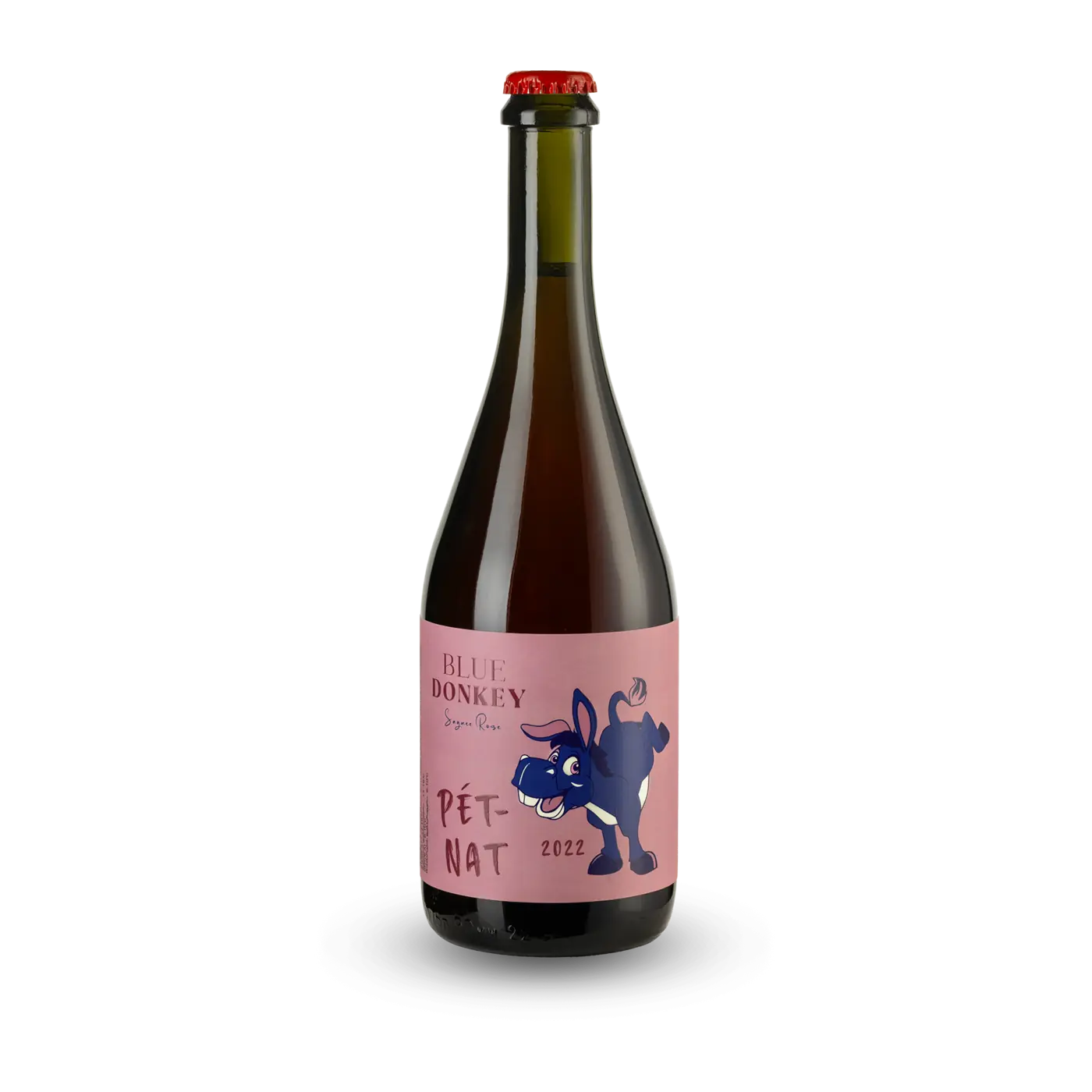
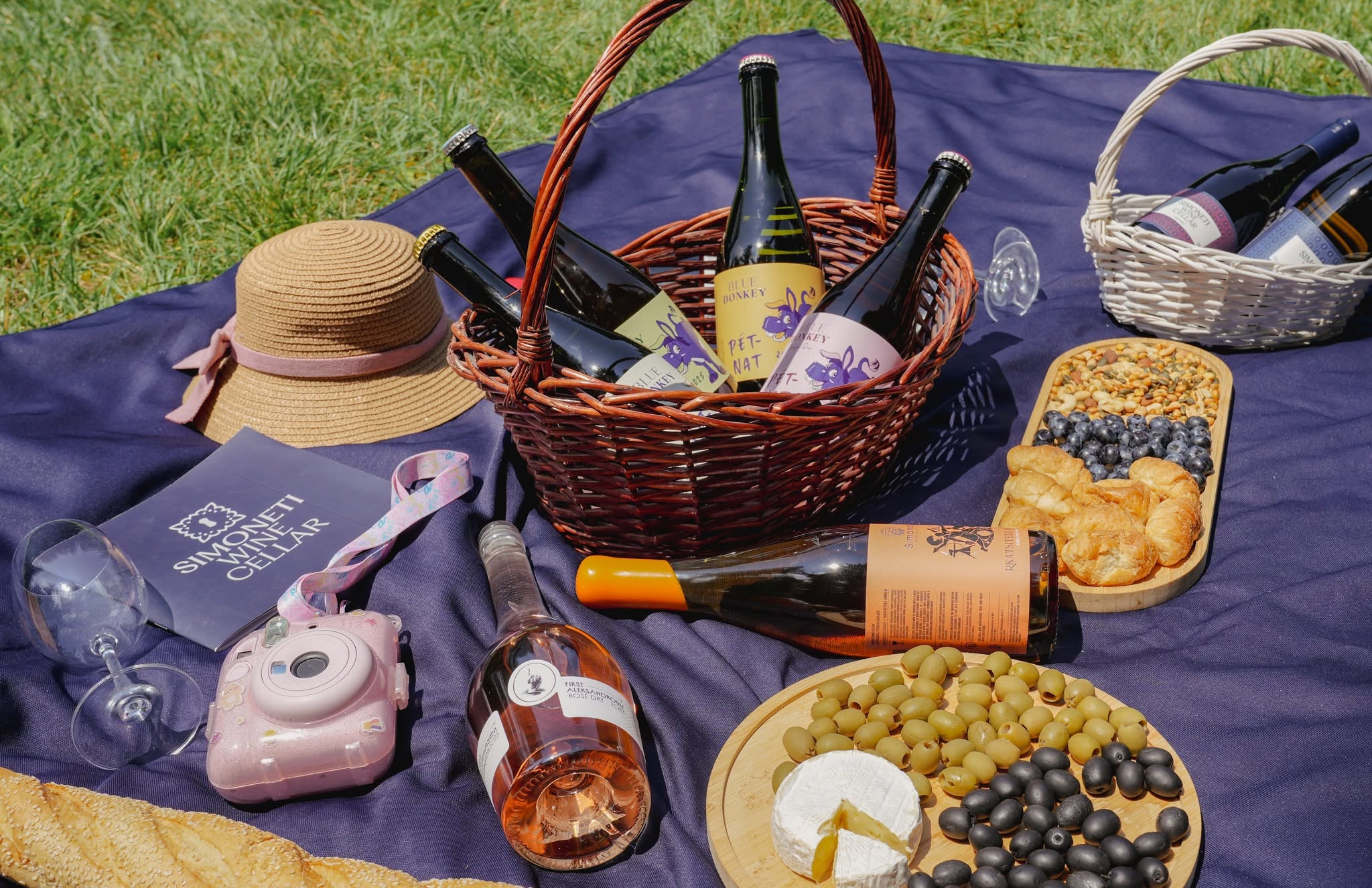
Another increasingly popular category of sparkling wine is Pét-Nat (Pétillant Naturel), made using the ancient “Méthode Ancestrale.” Unlike traditional sparkling wines, Pét-Nat is bottled before its primary fermentation is complete, trapping the natural sugars and wild yeasts inside. This results in a rustic, unfiltered, and lively sparkling wine with a softer fizz and authentic fruit flavor.
Flavor Profiles and Tasting Notes
-
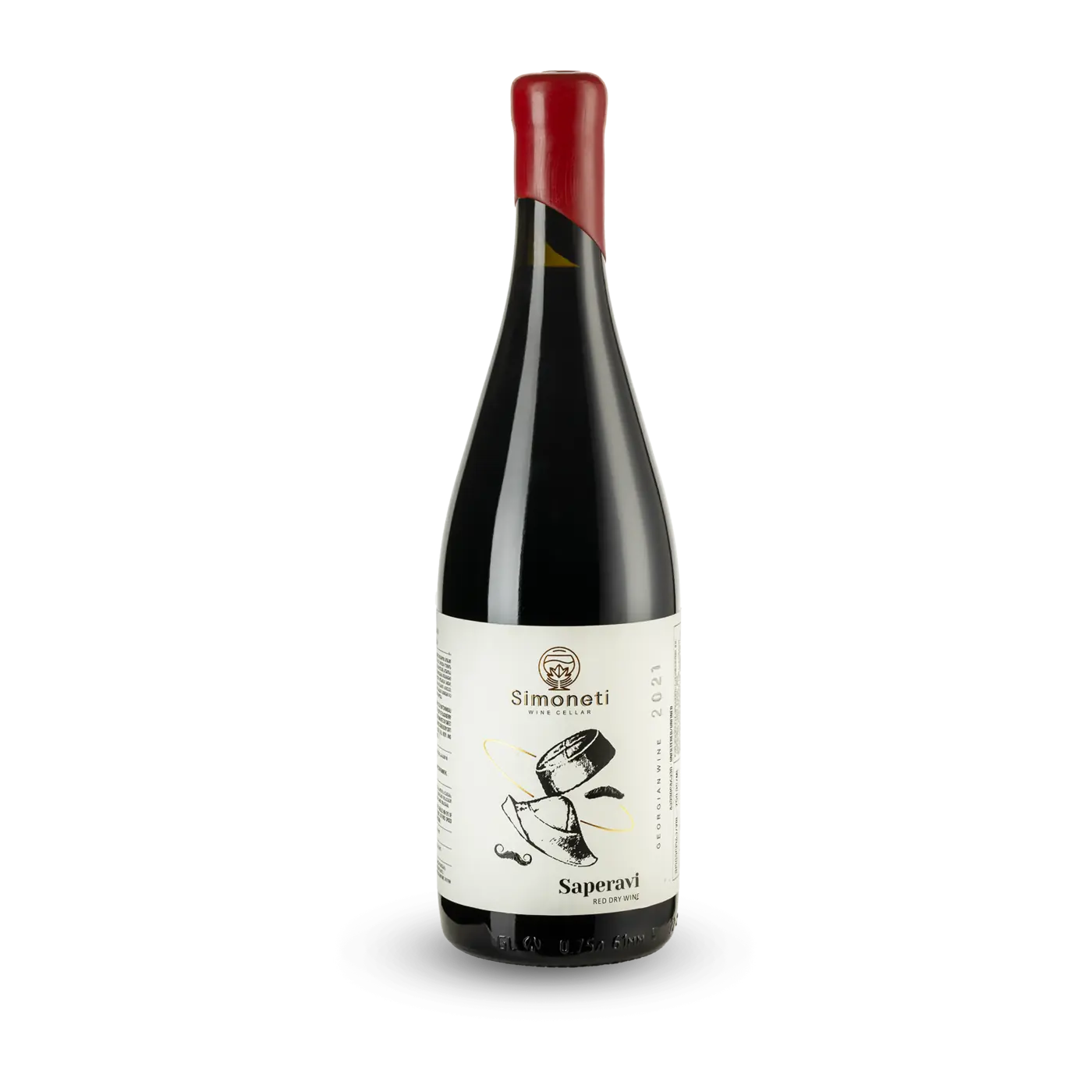
Still Wine: Ranging from crisp dry whites to robust amber Qvevri wines and deep, full-bodied reds. Still wines emphasize oak aging, complex fruit profiles, and structural depth.
-
Sparkling Wine: Defined by vibrant acidity, freshness, and effervescence. Sparkling wines aged on their lees (spent yeast cells) often develop complex autolytic notes of freshly baked brioche, toasted nuts, and creaminess.
Serving and Food Pairing
Serving temperature plays a crucial role in revealing a wine’s character. Still red wines shine brightest around 16–18°C, whereas still whites require a mild chill at 10–12°C. Sparkling wine, however, demands thoroughly cold conditions (6–8°C) to maintain its lively carbonation and sharp acidity. While sparkling wine serves as an ultimate celebratory aperitif and pairs effortlessly with seafood and light cheeses, still wine remains the foundation of classic dining experiences.
At Simoneti Winery, we embrace both time-honored traditional winemaking and expressive sparkling methods, ensuring every bottle delivers an authentic taste of refined craftsmanship.